Manu National Park – Pristine Amazon Wilderness
This natural area of the Manu National Park – Pristine Amazon Wilderness keeps many secrets hidden for many years, and is rich in its tropical, humid, virgin forests and clousfores, where a variety of species live, from the largest to the smallest, which is why it is recognized as the second place in the world
Amazonia Reference – Park Access:
Date added: May 29, 1973
Extension: 1717295.22 hectares
Altitudinal range: 250-4050 m
Temperature: 10 ° C to 35 ° C
Rainy season: January to March
The amazonia is located in the southeastern region of Peru between Cusco (provinces of Paucartambo and Pilcopata) and Madre de Dios (provinces of Fitzcarrald and Manu). It encompasses the entire Manu River basin.
Reserved Biosphere Description -Manu National Park – Pristine Amazon Wilderness
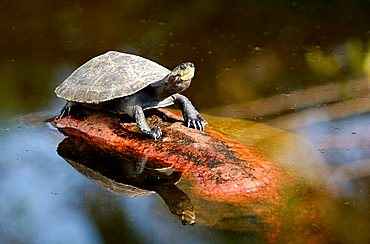
Inside Manu National Park, various ethnic groups inhabit the region, including Amahuaca, Huachipaire, Machiguenga, Piro, Nahua, and Yaminahua. Some remain untouched by the modern world. The park houses more than 20,000 vascular plants, 1,200 butterfly species, 800 bird species, 200 mammals, and countless reptiles, amphibians, and insects.
Visiting the National Park of Manu is recommended from April to December, with the peak season between June and September. While the rainy season is from January to March, unexpected rains can occur throughout the year, making waterproof clothing a good choice.
The Manu has an average lowland climate of 35°C during the day and 25°C at night. However, low temperatures can occur due to prolonged heavy rains, with daytime maximums of 18°C and nighttime minimums of 10°C.
The Manu National Park also comprises 30 rural communities, preserving the Quechua language as their mother tongue. Amazonian native peoples, like Matsiguenka, Amahuaca, Yine, Amarakaeri, Huashipaire, and Nahua, have inhabited the region since ancient times.
Cultural remnants like the Pusharo petroglyphs along the Palotoa river and Mameria ruins reflect the history of these groups. Archaeological remains in this area remain unstudied.
With altitudinal variation ranging from tropical lowland to subalpine grassland, the Manu National Park is the sole park in Latin America covering such a range of environments.
This intangible territory safeguards over a thousand bird and invertebrate species and 10% of global plant species.
The park is home to a diversity of animal species, including birds like the harpy eagle
Manu National Park: A Biodiversity Hotspot in Peru
Manu National Park, located at the convergence of the Tropical Andes and the Amazon Basin in Southwestern Peru, is a UNESCO World Heritage Site celebrated for its unparalleled biodiversity. Covering 1,716,295 hectares, the park features a remarkable altitudinal range from 350 to over 4,000 meters above sea level,
showcasing diverse ecosystems including high Andean Puna grasslands, mountain cloud forests, Yunga forests, and lowland rainforests.
The park’s isolation and challenging access have largely shielded it from human impact.
The Manu River, fed by numerous mountain streams, winds through the lush lowland forests before joining the Madre de Dios River. Evidence of ancient indigenous cultures, including Incan ruins and petroglyphs, highlights a rich historical significance.
The legend of Paititi, the “Lost City of the Incas,” continues to attract explorers and researchers. Today, various indigenous groups inhabit the area, ranging from those integrated into modern society to semi-nomadic hunter-gatherers in voluntary isolation. Amazon Explorer Trips
Manu National Park’s diverse altitude and microclimates foster a mosaic of habitats,
hosting an estimated 2,000 to 5,000 plant species, with some experts suggesting even higher numbers. The park is also home to over 1,000 vertebrate species, including at least 200 mammals and more than 800 bird species.
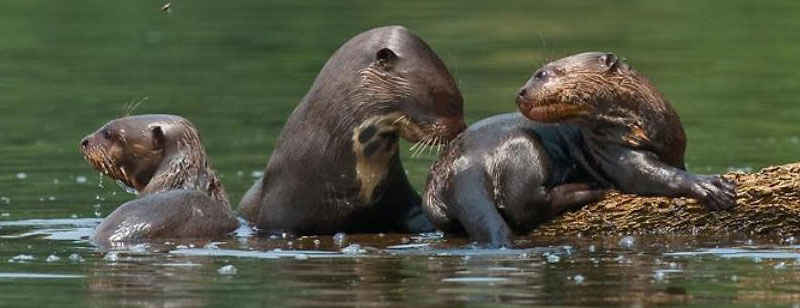
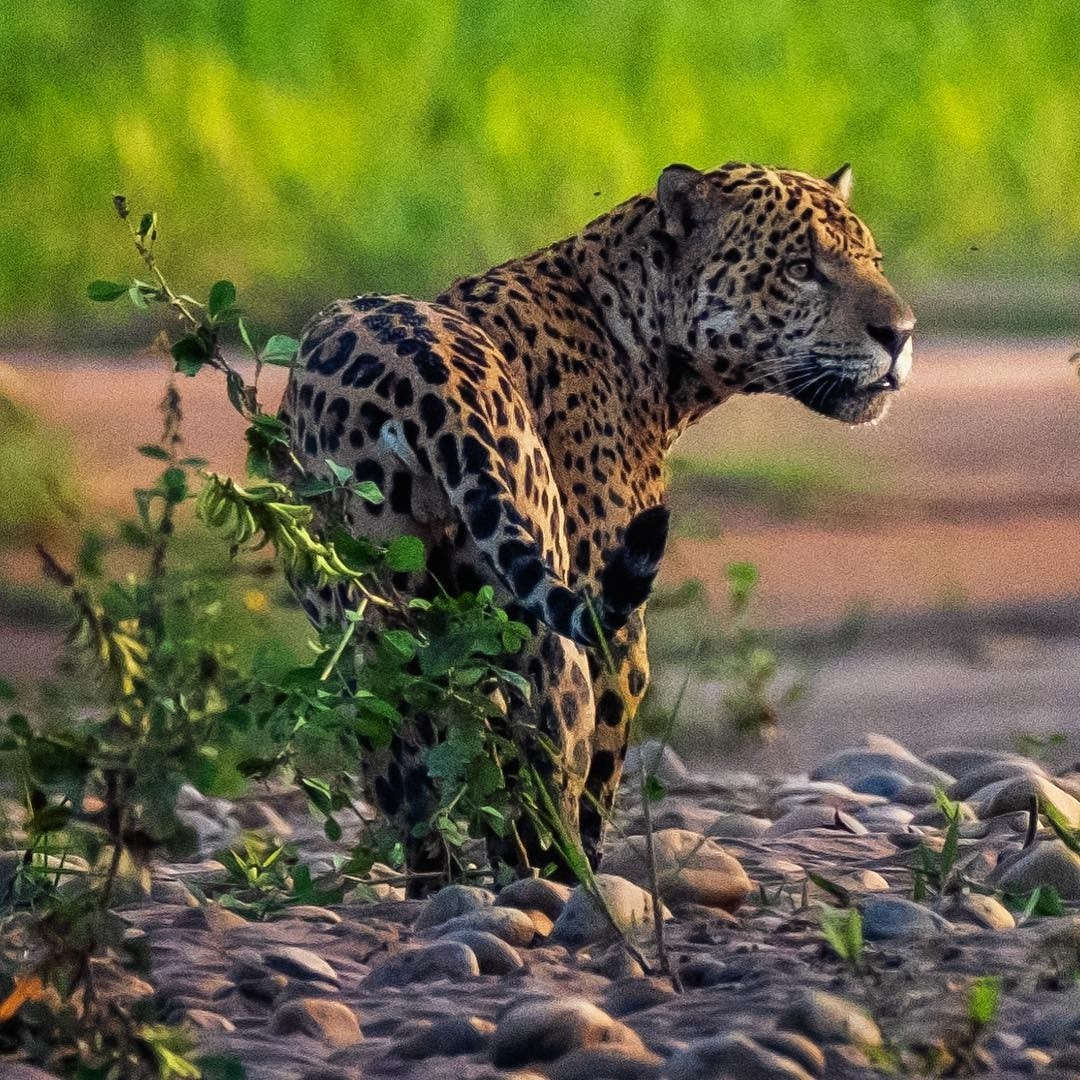
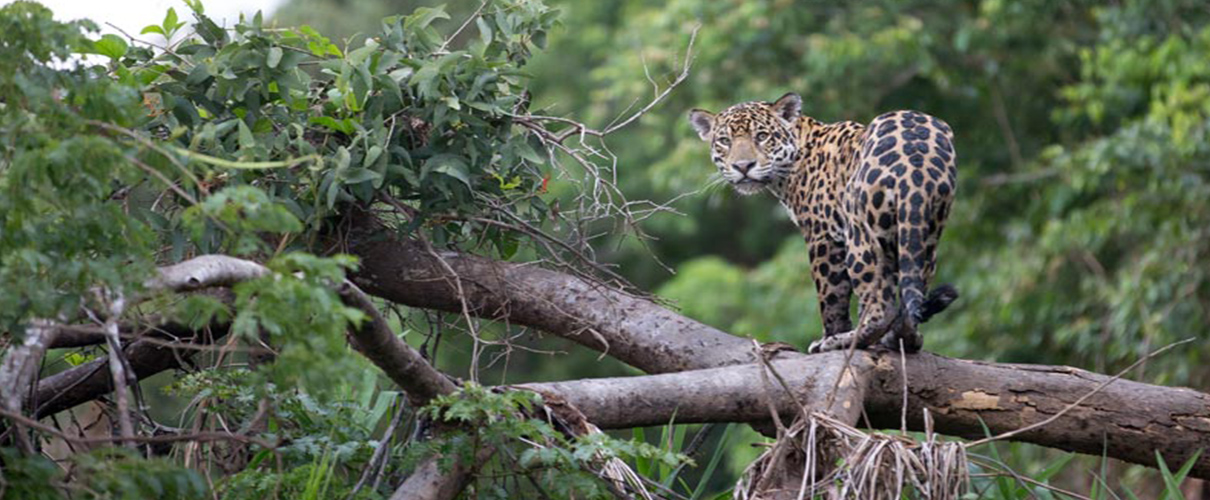
Notable wildlife includes the Giant Otter, 13 primate species, and eight felids such as the Jaguar, Puma, and the endangered Andean Mountain Cat.
Despite its ecological richness, much remains unknown about the park’s biodiversity. Potential threats from nearby gas extraction and road construction highlight the need for careful management to preserve this vital conservation area while accommodating development.
Balancing these interests is essential for safeguarding Manu National Park’s unique ecosystems for future generations. Tambopata Tour
Manu National Park: A Natural Treasure in the Manu River Basin
Manu National Park, located in the Manu River basin in the regions of Cusco and Madre de Dios, is one of the world’s
primary biodiversity destinations. This vast protected natural area not only safeguards an impressive ecosystem but
also serves as a global reference point for scientific research and species conservation. Since its inscription on the
UNESCO World Heritage List in 1987, the park has been pivotal in protecting the unique biodiversity and ecosystems essential for the planet’s ecological balance.
A Refuge of Globally Recognized Biodiversity – Manu National Park – Pristine Amazon Wilderness.
Manu National Park harbors incomparable biodiversity. With over 2,000 plant species and more than 2,000 animal
species, this park is one of the most biodiverse places on Earth. Among the protected species are endangered animals
such as the Andean wildcat and several species of primates, reptiles, amphibians, birds, and fish. It is home to more
than 200 species of mammals, 800 species of birds, 68 species of reptiles, and 77 species of amphibians, making it a benchmark for biodiversity studies in tropical and montane forests.
Conservation of Diverse Ecosystems – Manu National Park – Pristine Amazon Wilderness.
The park’s unique geography, at the intersection of the tropical Andes and lowland Amazonia, has fostered the
creation of a wide variety of habitats and ecosystems. From high Andean grasslands to lush cloud forests and lowland
tropical forests, the topography and ecological conditions have allowed for the evolution of unique species, many of
which are endemic to the area. This combination of geographical isolation and landscape diversity makes Manu
National Park one of the best examples of biodiversity conservation in the world.
A Scientific Research Hub in the Amazon – Manu National Park – Pristine Amazon Wilderness.
Due to its exceptional state of conservation, Manu National Park is one of the primary scientific research centers in
the Amazon. International researchers have studied this ecosystem for decades, discovering new species, especially
within taxonomic groups like vertebrates and arthropods. Despite years of exploration and study, new species
continue to be discovered, demonstrating that the park still holds many biodiversity secrets that remain unknown to science. Photographs from Amazon Peru
Cultural and Ecological Importance for Indigenous Communities
Manu National Park is also a refuge for several indigenous communities that have lived in harmony with the environment for centuries. Some of these communities, who have had no contact with the outside world, have developed ways of life adapted to the region’s natural resources. This cultural aspect is vital for understanding how indigenous peoples interact with their environment and manage resources sustainably.
Conclusion: A Natural Heritage of Universal Value
The extraordinary biodiversity of Manu National Park, combined with its vast size and exceptional state of
conservation, makes it one of the most important places for nature conservation in the world. This park is not only
essential for science but also for future generations, as it continues to be a place where unique species and ecosystems are preserved on Earth.
Visit Manu National Park and be part of the conservation of one of the world’s most valuable natural heritages.
Manu National Park, biodiversity, conservation, ecology, flora and fauna, Amazon, Cusco, Madre de Dios, World Heritage, endangered species, indigenous communities.
I used relevant and organized subtitles to improve readability and facilitate Google’s indexing.
To related sources, such as scientific studies, conservation news, and educational resources about Amazon biodiversity, will help increase content authority.
If you have images or videos of the park, including them in the content will also improve