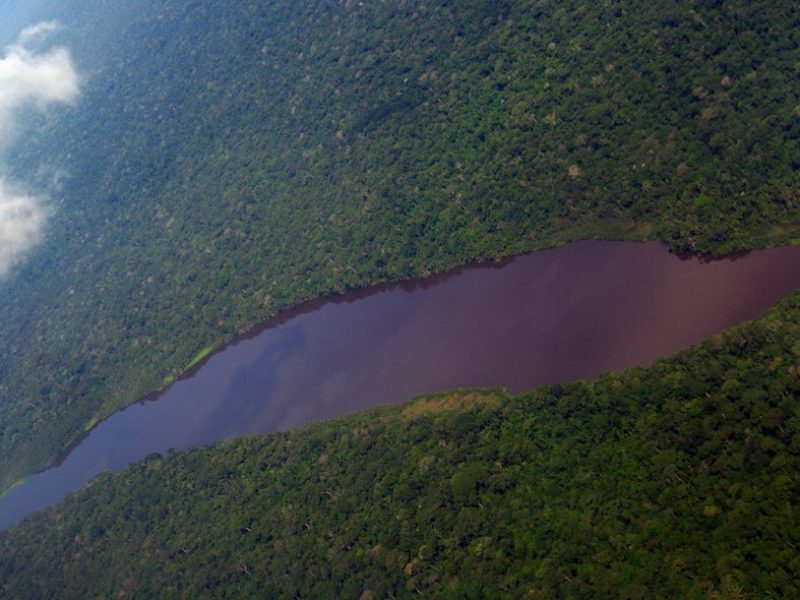
Jungle Trips Macaw Clay :The flora of the Tambopata National Reserve stands out for its astonishing diversity, being home to more than 1,200 species of vascular plants and 200 species of trees. From imposing trees like the Shihuahuaco, which reaches up to 60 meters in height and is considered one of the oldest in the Amazon, to delicate orchids that adorn the forest floor, this ecosystem offers a unique botanical experience.
SUMMARY:
Jungle Trips Macaw Clay :The flora of the Tambopata National Reserve stands out for its astonishing diversity, being home to more than 1,200 species of vascular plants and 200 species of trees. From imposing trees like the Shihuahuaco, which reaches up to 60 meters in height and is considered one of the oldest in the Amazon, to delicate orchids that adorn the forest floor, this ecosystem offers a unique botanical experience.
DETAILED ITINERARY:
Jungle Trips Macaw Clay
Jungle Trips Macaw Clay -The lianas and vines, climbing plants that intertwine on tree trunks in search of sunlight, add a characteristic touch of the tropical jungle. These plants are essential for the survival of numerous animal species, providing routes of displacement through the forest.
Within this rich variety, noteworthy are the timber plants such as mahogany and cedar, of high economic value but currently endangered due to unsustainable exploitation. On the other hand, the reserve harbors a treasure trove of medicinal plants, such as Ayahuasca and Cat’s Claw, internationally recognized for their healing properties and used by local indigenous communities for centuries.
Among the most intriguing species are carnivorous plants, adapted to obtain nutrients in poor soils by trapping and digesting insects.
Tourism in Tambopata offers the opportunity to explore this unique ecosystem through guided tours in the jungle, which not only allow appreciation of its natural beauty but also provide insights into the culture and traditions of local communities. Moreover, these tours promote conservation and responsible tourism, essential for protecting this invaluable natural heritage.
Conservation efforts focus on protecting flora and fauna, sustainable resource management, and raising awareness about the importance of preserving these ecosystems for future generations. When visiting Tambopata, tourists play a crucial role in its conservation by adhering to park regulations, respecting local fauna and flora, and supporting indigenous communities.
Discover the secrets of Tambopata’s flora on your next visit and be part of preserving this wonderful place. We assure you it will be an unforgettable experience
Researchers at TRC
delve into a comprehensive study of macaws by monitoring daily clay lick activity and conducting extensive research of macaw breeding and nesting habits. At the clay lick, researchers census all parrots at the lick and have formed trends that match breeding seasons with clay lick use. The research suggests that peak clay lick use coincides with peak breeding season, January for the large macaws, and also that during the first week of chick development, parents feed their chicks almost entirely clay. Until this research, scientists did not fully recognize the importance that the clay lick plays in macaw socialization and also nesting and development.